
Get High Quality Insulation Services
You can rely on Environmental Foam Of Vermont for quality installations and competitive prices.
Our Services

Spray Foam Insulation
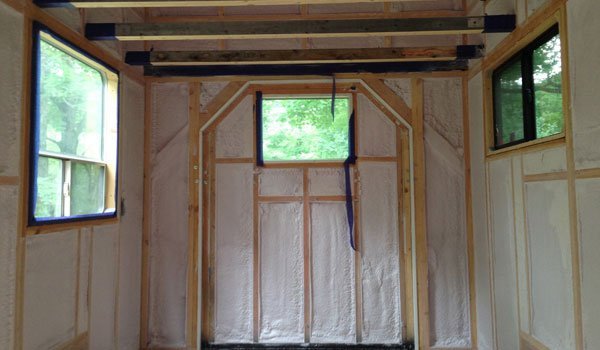
Closed-cell spray foam insulation has physical properties of air barrier, vapor barrier and offers high R-value per inch for greater design and construction flexibility.

JM Spider™
Johns Manville Spider® Plus Formaldehyde-free™ blow-in fiberglass insulation uses interlocking fiber technology to fill all gaps and voids quickly with no adhesive or netting for a faster installation. Spider Plus provides complete coverage, with no shrinking or settling, resulting in superior thermal performance and sound control.

Cellulose
We offer cellulose insulation, that’s made from recycled materials in a dense-pac and loose fill application.

Fireproofing
We offer intumescent, ignition and thermal barriers for the protection of foam insulation.


Give Your Home the Expert Protection it Deserves
Environmental Foam Of Vermont offers high quality spray foam cellulose insulation installed by factory trained technicians. Additionally, we offer intumescent ignition and thermal barriers for the protection of foam insulation and cementitious fireproofing for steel structures. Get in touch with our experts for quality insulation installations at competitive rates!
We Work With Residential, Agricultural, and Commercial Projects
We offer high-quality Johns Manville Products including JM Corbond™ spray foam and JM SPIDER™ custom insulation system. We also offer Demilec Heatlock HFO and Maxguard Polyurea coating.
FREE estimates available!